

How Diabetes Can Affect Vision Before You Notice Changes

Diabetes can affect your eyes long before you notice that anything looks different. You may still read clearly, drive comfortably, and see well through your current prescription while small changes are developing in the retina. This is one reason regular diabetic eye exams are an important part of protecting long-term vision.
At Eyes For Life in Spokane, we provide comprehensive and medical eye care that looks beyond whether your glasses prescription has changed. Examining the retina gives us important information about how diabetes may be affecting your eye health.
How Does Diabetes Affect the Eyes?
Over time, elevated blood sugar can damage small blood vessels throughout the body, including those in the retina. The retina is the light-sensitive tissue at the back of the eye that plays an essential role in vision.
Diabetic retinopathy develops when retinal blood vessels become damaged. They may weaken, leak fluid or blood, become blocked, or develop other abnormalities.
Diabetes can also increase the risk of diabetic macular edema, cataracts, and glaucoma. Some of these conditions may develop gradually, which is why waiting for obvious blurry vision is not an effective way to monitor eye health.
Can Diabetic Retinopathy Develop Without Symptoms?
Yes. Early diabetic retinopathy may not cause noticeable visual changes.
Your central vision can remain clear even while small blood vessel abnormalities are beginning to appear. As the condition progresses, patients may eventually notice blurry or fluctuating vision, dark areas, new floaters, or reduced clarity.
This silent early stage is one of the most important reasons Spokane patients with diabetes should keep recommended eye appointments even when their eyesight feels normal.
What Does a Diabetic Eye Exam Check?
A diabetic eye exam evaluates more than your ability to read an eye chart. Depending on your individual needs, we may assess:
The retina and its blood vessels for diabetes-related changes
The macula for signs of swelling or fluid
The optic nerve and surrounding structures
Eye pressure as part of overall eye health testing
Changes compared with previous retinal images or examinations
Your medical history also matters. Let us know how long you have had diabetes, which medications you take, and whether there have been significant changes in your blood sugar management, blood pressure, or overall health.
How Does Retinal Imaging Help?
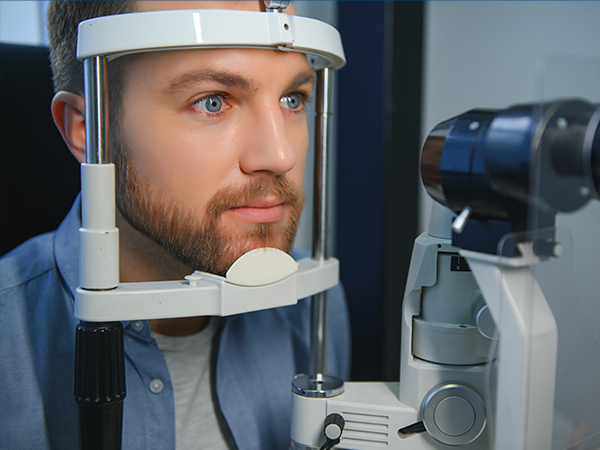
At Eyes For Life, advanced retinal imaging allows us to capture a detailed view of the back of the eye. These images can help identify signs of diabetic retinopathy and create a visual record for future comparison.
Comparing retinal images over time can be particularly useful because subtle changes may become easier to recognize from one examination to the next.
Retinal imaging complements a comprehensive eye exam. Depending on your medical history and what we see, pupil dilation or additional testing may still be recommended.
Can Blood Sugar Changes Affect Vision Temporarily?
Yes. Changes in blood glucose can sometimes temporarily alter focusing inside the eye, causing vision to become blurry or fluctuate.
This does not necessarily mean your glasses prescription has permanently changed. If blood sugar levels are shifting significantly, your vision may also change as glucose levels become more stable.
Persistent blurry vision should still be evaluated because diabetes-related retinal changes and other eye conditions can also affect clarity.
How Often Should Your Eyes Be Checked?
Many adults with diabetes need regular comprehensive eye examinations, often annually, although your recommended schedule depends on your type of diabetes, previous findings, overall health, and guidance from your healthcare team.
More frequent monitoring may be necessary if diabetic retinopathy or another eye condition is already present.
Managing blood sugar, blood pressure, and cholesterol according to your medical provider’s recommendations can also support long-term eye health.
Sudden vision loss, flashes of light, a rapid increase in floaters, or a curtain-like shadow across your vision requires urgent evaluation rather than waiting for your next routine appointment.
If you have diabetes and are due for an eye health evaluation, contact Eyes For Life at 412 E. 30th Ave., Spokane, WA 99203 by calling or texting (509) 448-7300 to schedule a comprehensive diabetic eye exam.

Contact Info
Office Address: 412 E. 30th Ave
Spokane, WA 99203
Spokane, WA 99203
Call Or Text(509) 448-7300
Office Hours
- Monday 8:10am - 5:30pm
- Tuesday 8:10am - 6:00pm
- Wednesday 9:30am - 6:00pm
- Thursday 8:10am - 6:00pm
- Friday 8:10am - 5:00pm
- Saturday Closed
- Sunday Closed
© 2026 Eyes For Life . All rights Reserved. Accessibility Statement - Privacy Policy - Sitemap
Powered by:
