

Blog list
Eyes For Life Blog
Learn more about optometrist care in our blog!

Diabetes can affect your eyes long before you notice that anything looks different. You may still read clearly, drive comfortably, and see well through your current prescription while small changes are developing in the retina. This is one reason regular diabetic eye exams are an important part of protecting long-term vision.
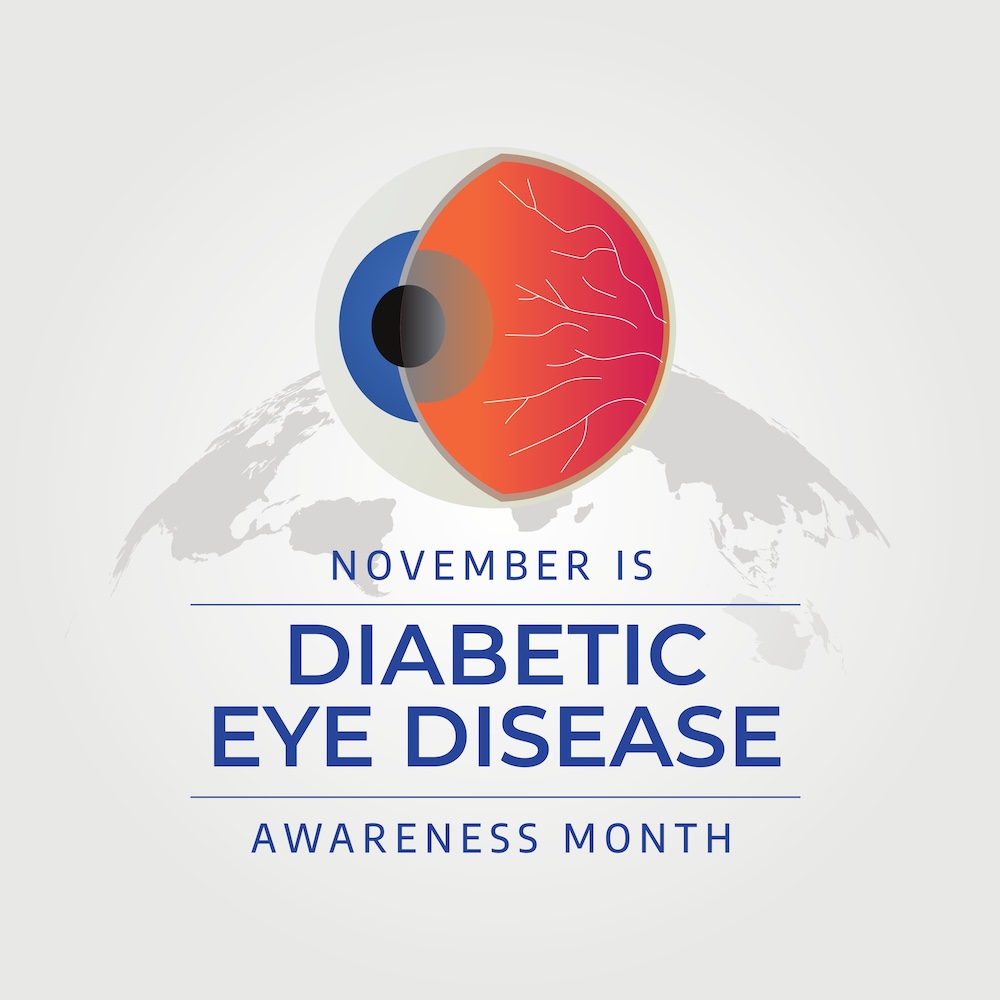
National Diabetes Month is an important reminder that diabetes can affect more than blood sugar. It can also impact your eyes and long-term vision. Many diabetes-related eye conditions develop quietly, which is why routine eye exams are essential for protecting your sight.

Dry eye is a common condition that happens when your eyes do not produce enough tears or when your tears do not work properly. Healthy tears are important for clear vision, comfort, and protecting the surface of the eye. When the tear film becomes unstable, it can lead to irritation, blurry vision, and ongoing discomfort. We help patients understand the cause of their dry eye symptoms and recommend treatment options based on their needs.

Have you ever walked into a busy Spokane superstore and suddenly felt dizzy, disoriented, or overwhelmed? Bright overhead lights, crowded aisles, and rows of products can make shopping uncomfortable for some people. While these symptoms may seem unusual, they can sometimes be linked to binocular vision dysfunction (BVD), a condition involving difficulty coordinating both eyes.

Contact Lens Safety Month is a helpful reminder to review how you wear, clean, and care for your lenses every day. Even small mistakes can lead to irritation, dryness, blurry vision, or eye infections.

Dry, burning, gritty, or watery eyes can make everyday activities uncomfortable. For many people in Spokane, the first response is to reach for over-the-counter eye drops. While artificial tears can provide temporary relief, recurring dry eye symptoms may indicate an underlying issue that needs more targeted treatment. At Eyes For Life, we evaluate what is causing dry eye symptoms so we can recommend care based on the condition of your tear film, eyelids, and meibomian glands.
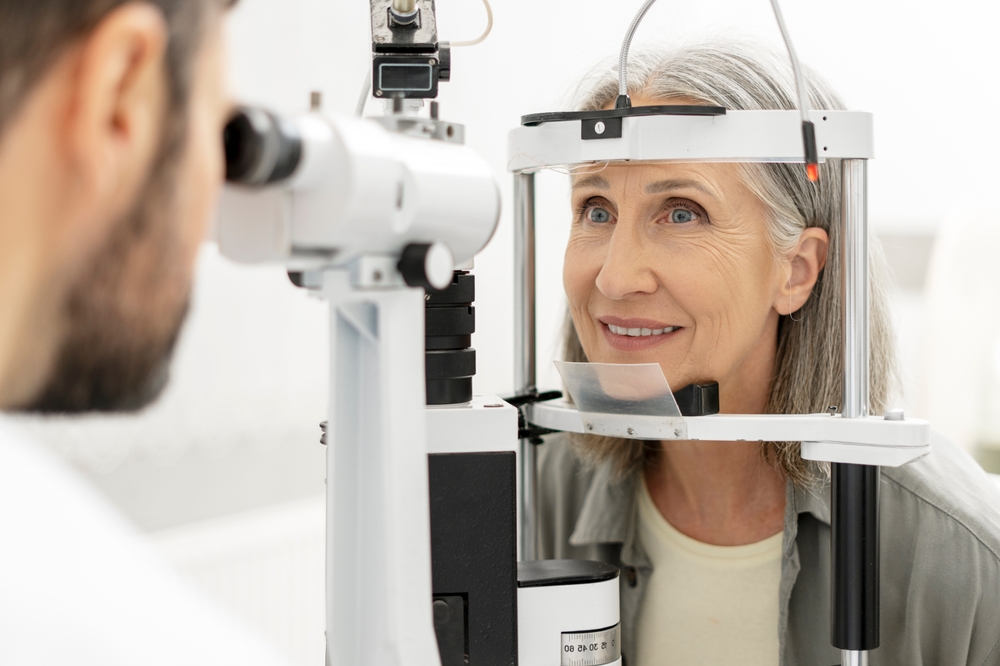
Cataracts are a common vision condition that can develop gradually over time. Because early symptoms may be subtle, many people do not realize their vision is changing until daily tasks become more difficult. Knowing the early signs of cataracts can help you schedule an eye exam before the condition begins to affect your comfort, safety, and quality of life.

Healthy Aging Month is a good reminder that caring for your eyes is an important part of supporting your overall health. As we get older, changes in vision can happen gradually, and some eye conditions may develop without obvious symptoms at first. Regular eye care helps protect your sight, detect concerns early, and keep your vision as clear and comfortable as possible.
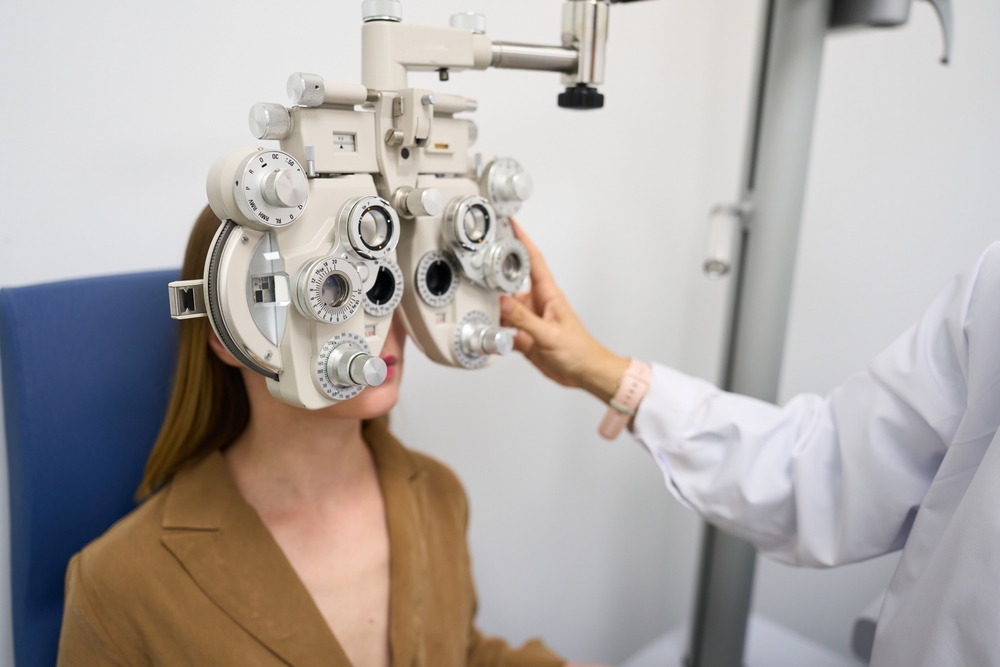
Vision screenings and comprehensive eye exams both help identify vision concerns, but they are not the same. A vision screening is a basic check that may detect possible signs of a problem, while a comprehensive eye exam gives a more complete look at your vision, eye health, and overall visual function.
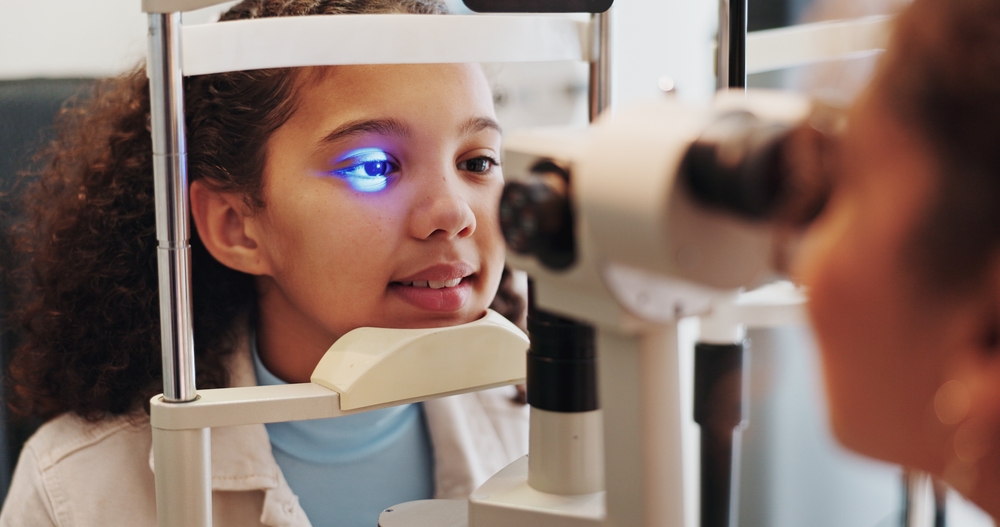
As families prepare for a new school year, backpacks, supplies, and class schedules often take priority. However, clear and comfortable vision also plays an important role in classroom readiness. A basic vision check may identify whether a child can read letters from a distance, but it does not provide the same level of evaluation as a comprehensive pediatric eye exam.

Contact Info
Office Address: 412 E. 30th Ave
Spokane, WA 99203
Spokane, WA 99203
Call Or Text(509) 448-7300
Office Hours
- Monday 8:10am - 5:30pm
- Tuesday 8:10am - 6:00pm
- Wednesday 9:30am - 6:00pm
- Thursday 8:10am - 6:00pm
- Friday 8:10am - 5:00pm
- Saturday Closed
- Sunday Closed
© 2026 Eyes For Life . All rights Reserved. Accessibility Statement - Privacy Policy - Sitemap
Powered by:
