This puts these children at a serious disadvantage in their education and their social development. So what can we do as parents to make sure this doesn’t happen to our children? Fortunately, there’s plenty!
One reason childhood eye problems aren’t diagnosed as often as they should is that children don’t self-report. Adults sometimes compound this issue by mistaking the symptoms for those of learning disabilities. When children struggle with visual tasks, they may not recognize that the problem is with their eyes. All they know is that they’re having a harder time with these things than their peers, which can be confusing and upsetting, especially if adults are scolding them for failing to do the tasks.
Convergence Insufficiency: a binocular vision problem in which the eyes tend to drift outward when looking at up-close things, making tasks like reading difficult.
Astigmatism: a refractive error that causes blurry vision, but whose effects can be subtle enough that a vision screening might miss it. If left untreated by corrective lenses, this can cause amblyopia.
Strabismus: misalignment of the eyes where they turn in, out, up, or down. Untreated strabismus can also cause amblyopia, but it can be corrected by patching, specially designed glasses, or sometimes surgery.
Amblyopia, or “lazy eye”: poor vision in one eye, typically caused by astigmatism, difference in each eye’s refractive error, or crossed eyes. Without treatment, amblyopia can lead to irreversible vision loss.
Don’t Wait To Schedule Your Child’s Eye Exam
As parents, we want to give our children the very best, and an important part of that is making sure that if they have a vision disorder, it gets diagnosed and treated as soon as possible so that they don’t have to struggle against it as they learn and grow. If you want to know more about any of these eye conditions or schedule an eye exam for your child, just give us a call!
Healthy vision is the gateway to learning!
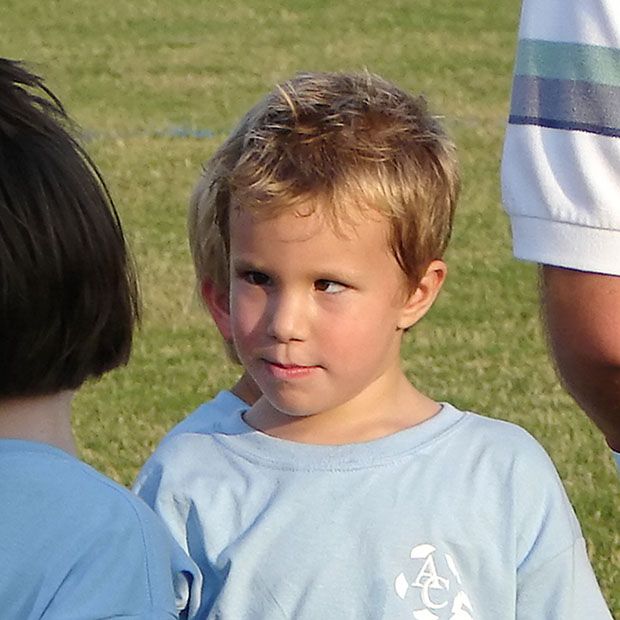
Top image by Flickr user popofatticus used under Creative Commons Attribution-Sharealike 4.0 license. Image cropped and modified from original.
The content on this blog is not intended to be a substitute for professional medical advice, diagnosis, or treatment. Always seek the advice of qualified health providers with questions you may have regarding medical conditions.