

Wet And Dry AMD
AMD cases fall into two main categories: wet and dry. The most common form is dry macular degeneration, accounting for up to 90 percent of people with the condition. Dry AMD happens when the tissues of the macula grow thinner over time, accompanied by fatty deposits of drusin in the retina. The effects of dry AMD tend to be less serious.
The remaining 10 percent of AMD cases will progress to the more dangerous form: wet AMD. This occurs when new blood vessels grow under the retina in an effort to strengthen the blood supply. However, these new vessels are unstable and can leak fluid and scar the macula, resulting in faster and worse vision loss.
Helping Your Eyes Stay Healthy
There is currently no cure for AMD, but there is still a lot we can do to reduce our risk of developing it and slow its progress after diagnosis. The most important thing is to build and maintain healthy habits.
Regular exercise and healthy eating promote whole-body wellness, and that includes eye health. Make sure to include plenty of carrots, fish, leafy greens, and eggs. Wearing UV-blocking sunglasses and avoiding smoking will also help protect your eyes.
The Role Of The Optometrist
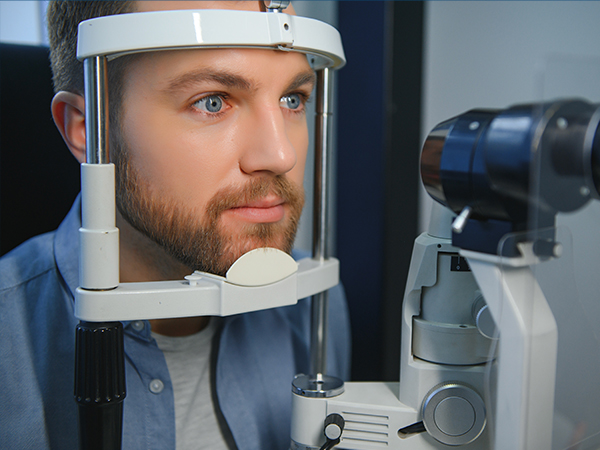
In addition to those good habits, scheduling regular eye exams is critical. The earlier we can catch AMD, the more we can do to slow it down. If you’re worried that you could be at risk of AMD and especially if you’ve been experiencing any symptoms, call us or stop by to schedule an appointment right away!
Your clear vision is our top priority!
Top image used under CC0 Public Domain license. Image cropped and modified from original.
The content on this blog is not intended to be a substitute for professional medical advice, diagnosis, or treatment. Always seek the advice of qualified health providers with questions you may have regarding medical conditions.