
Artificial tears are often the first step people take when suffering from dry, irritated eyes. They are easy to find, simple to use, and can provide short-term relief. However, for many patients, this comfort does not last. Symptoms may return quickly, and over time, eye drops may feel less effective.
This happens because dry eye disease is rarely just a matter of having “not enough tears.” It is a complex condition that often involves inflammation, tear film imbalance, and problems with the eyelid glands. When these underlying causes are not addressed, artificial tears alone are usually not enough to manage symptoms long term (Matossian et al., 2022; Mukamal, 2025).
Understanding what is really happening on the surface of your eyes is the first step toward effective chronic dry eye treatment.
Why Do Artificial Tears Only Provide Temporary Relief?
Artificial tears are designed to supplement the tear film and provide moisture to the eye’s surface. They can reduce irritation and improve comfort, especially in mild cases of dry eye disease. However, they do not treat the biological processes that often drive chronic symptoms (Matossian et al., 2022).
Research shows that while artificial tears can reduce signs and symptoms for some patients, many experience limited or no long-term improvement. Their effectiveness may also depend on the type of product used and how consistently it is applied.
The American Academy of Ophthalmology explains that artificial tears may provide temporary relief in many conditions that resemble dry eye, but they do not address the underlying causes (Mukamal, 2025). As a result, patients may find themselves using drops frequently without seeing lasting results.
This is why many people eventually realize that artificial tears are not enough when dry eye becomes chronic.
Chronic dry eye concerns? Contact Us or Schedule an Eye Exam.
What Causes Chronic Dry Eye Beyond Lack of Tears?
Dry eye disease is considered a form of ocular surface disease that affects both tear quantity and tear quality (Mukamal, 2025). Healthy tears are made up of multiple layers that work together to keep the eyes comfortable and protected. When any part of this system is disrupted, symptoms can develop.
According to clinical research, dry eye disease is multifactorial, meaning it has multiple possible causes that may overlap (Matossian et al., 2022). These can include:
Tear film instability
Eyelid inflammation
Meibomian gland dysfunction
Environmental factors
Medication effects
Autoimmune conditions
Digital screen use
Contact lens wear
In addition, many conditions can mimic dry eye symptoms. The American Academy of Ophthalmology notes that allergic conjunctivitis, blepharitis, eyelid disorders, and medication toxicity are sometimes mistaken for dry eye disease (Mukamal, 2025).
When the true cause is not identified, treatment may focus only on surface moisture instead of the underlying problem.
How Inflammation Plays a Role in Dry Eye Disease
Inflammation plays a central role in many cases of dry eye disease. When the ocular surface becomes inflamed, tear production and tear quality can be disrupted, leading to persistent discomfort and visual disturbances.
Inflammation can damage the cells that support tear production and disrupt the stability of the tear film. Without addressing this inflammatory process, artificial tears alone are unlikely to provide lasting relief.
For this reason, many advanced dry eye treatments focus on reducing inflammation through prescription medications and targeted therapies.
What Is Meibomian Gland Dysfunction and Why It Matters
Meibomian gland dysfunction is one of the most common contributors to chronic dry eye. These glands, located in the eyelids, produce the oily layer of the tear film that slows evaporation. When they do not function properly, tears evaporate too quickly, leaving the eye surface dry and irritated.
The American Academy of Ophthalmology lists meibomian gland dysfunction as one of the conditions frequently associated with dry eye symptoms (Mukamal, 2025). Research also highlights the importance of evaluating the tear film’s lipid layer and gland function when developing a treatment plan (Matossian et al., 2022).
When meibomian gland dysfunction is present, simply adding more watery tears does not solve the problem. Instead, treatment must focus on restoring gland function and improving tear stability.
Newer therapies, including prescription drops and in-office procedures, are designed specifically to target evaporative dry eye related to gland dysfunction.
When Artificial Tears Stop Working, What’s Next?
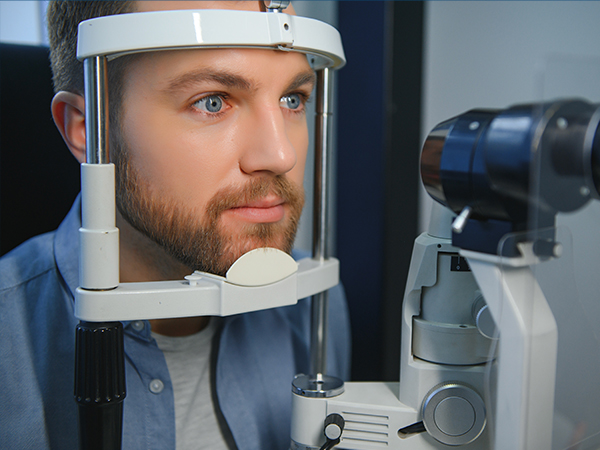
When symptoms persist despite frequent use of eye drops, a comprehensive eye exam becomes essential. Dry eye specialists use a variety of tools to evaluate the ocular surface and identify contributing factors.
According to the American Academy of Ophthalmology, diagnostic testing may include:
Measurement of tear osmolarity
Evaluation of meibomian glands
Detection of inflammatory markers
Assessment of tear proteins
Sensitivity testing of the cornea
These tests are not used in isolation and may not be necessary for every patient. Instead, the eye doctor selects the most appropriate tools based on individual symptoms and findings.
An individualized evaluation allows treatment to move beyond trial-and-error use of over-the-counter drops.
Medical Treatments for Chronic Dry Eye Explained
Once the underlying causes are identified, treatment can be tailored to each patient’s needs. Many patients benefit from a combination of therapies rather than a single solution.
Medical treatment options may include:
Prescription anti-inflammatory eye drops such as cyclosporine or lifitegrast
Short-term corticosteroid therapy when appropriate
Punctal plugs to reduce tear drainage
Eyelid hygiene and warm compress therapy
In-office gland treatments
Specialty contact lenses
Newer FDA-approved medications
The American Academy of Ophthalmology reports that newer treatments are designed to target specific mechanisms of dry eye disease, including inflammation and meibomian gland dysfunction (Mukamal, 2025). These therapies often work best when combined with ongoing maintenance and lifestyle adjustments.
Research emphasizes that personalized management, based on clinical findings and patient history, leads to better long-term outcomes than relying on artificial tears alone (Matossian et al., 2022).
When Should You See an Eye Doctor for Dry Eye Symptoms?
Occasional dryness is common, especially with screen use or environmental exposure. However, ongoing symptoms may indicate a more serious condition.
You should consider seeing an eye doctor for dry eye if you experience:
Symptoms that persist despite regular use of artificial tears
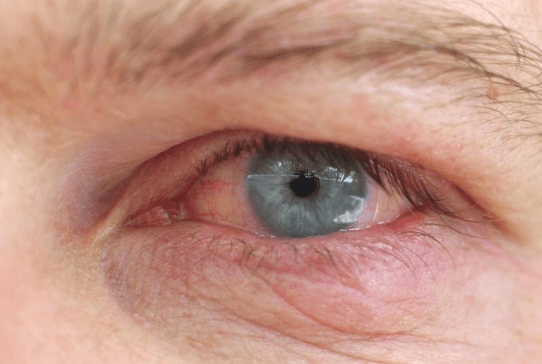
Burning, stinging, or redness
Blurry or fluctuating vision
Eyelid irritation
Excessive tearing followed by dryness
Discomfort that interferes with daily activities
The American Academy of Ophthalmology notes that diagnosing dry eye accurately often requires specialized expertise and careful evaluation (Mukamal, 2025). Early diagnosis and targeted treatment can help prevent worsening symptoms and long-term damage to the ocular surface.
If artificial tears are no longer providing relief, professional evaluation is an important next step.
Chronic dry eye concerns? Contact Us or Schedule an Eye Exam.
Conclusion
Artificial tears play an important role in managing mild dry eye symptoms, but they are rarely enough for long-term control of chronic dry eye disease. Inflammation, tear film imbalance, and meibomian gland dysfunction are common contributors that require targeted care.
Research and clinical guidance consistently show that personalized treatment, based on careful diagnosis, leads to better outcomes than self-treatment alone (Matossian et al., 2022; Mukamal, 2025). With modern diagnostic tools and advanced dry eye treatments, patients now have more options than ever before.
If you are experiencing ongoing eye discomfort, light sensitivity, or dry eye symptoms, our team at Eyes for Life is here to help. Contact us today to schedule a comprehensive eye exam and take the first step toward clearer, more comfortable vision.
References
Matossian, C., Crowley, M., Periman, L., & Sorkin, S. (2022). Personalized management of dry eye disease: Beyond artificial tears. Clinical Ophthalmology, 16, 3911 3918.https://doi.org/10.2147/OPTH.S384819
Mukamal, R. (2025, January 24). Why is dry eye so difficult to treat? American Academy of Ophthalmology. Reviewed by C. E. Starr, MD. https://www.aao.org/eye-health/tips-prevention/fix-dry-eye-treatment-eyedrops