

FAQ: Binocular Vision Dysfunction Care in Spokane, WA
At Eyes For Life, we provide specialized binocular vision dysfunction care in Spokane, WA for patients experiencing headaches, dizziness, eye strain, balance problems, reading difficulties, and other symptoms connected to how the eyes work together. Our approach focuses on identifying subtle eye misalignment and creating personalized solutions that improve visual comfort during everyday activities. Below are frequently asked questions on binocular vision dysfunction care.
What symptoms can binocular vision dysfunction cause?
Patients seeking binocular vision dysfunction care in Spokane, WA may experience headaches, dizziness, eye strain, neck or shoulder tension, blurry vision, motion sensitivity, balance problems, or difficulty concentrating while reading. Symptoms can also become more noticeable during screen use, driving, shopping, or other visually demanding activities. A specialized evaluation can determine whether BVD is contributing to these concerns.
How do I know if I should schedule a BVD evaluation in Spokane, WA?
A BVD evaluation at our Spokane, WA office is appropriate when symptoms such as recurring headaches, dizziness, motion sickness, eye strain, reading difficulties, or unexplained visual discomfort continue despite other treatments. BVD is often overlooked because the underlying eye misalignment can be very subtle. We evaluate the complete visual system to determine whether poor eye coordination is contributing to your symptoms.
What is binocular vision dysfunction care?
Binocular vision dysfunction care at our Spokane, WA practice focuses on identifying and managing problems that occur when the eyes do not work together comfortably. Even a small eye misalignment can force the visual system to work harder to create a single image. We evaluate how the eyes coordinate and determine the appropriate treatment based on each patient's symptoms and visual needs.
Can I have BVD even if I have 20/20 vision?
Yes. Many patients diagnosed with BVD in Spokane, WA can see 20/20 because visual acuity and binocular coordination are different aspects of vision. A person may see clearly with each eye individually while still experiencing difficulty getting both eyes to work together comfortably. Our specialized testing evaluates eye alignment and coordination rather than relying on visual clarity alone.
How is BVD diagnosed in Spokane, WA?
At Eyes For Life in Spokane, WA, diagnosing BVD involves reviewing your symptoms, medical and visual history, prescription needs, and how your eyes function together. We use specialized testing to identify subtle eye misalignment that may not appear during standard vision screening. This detailed approach allows us to create a treatment plan based on your specific visual demands.
What is a NeuroVisual exam for BVD?
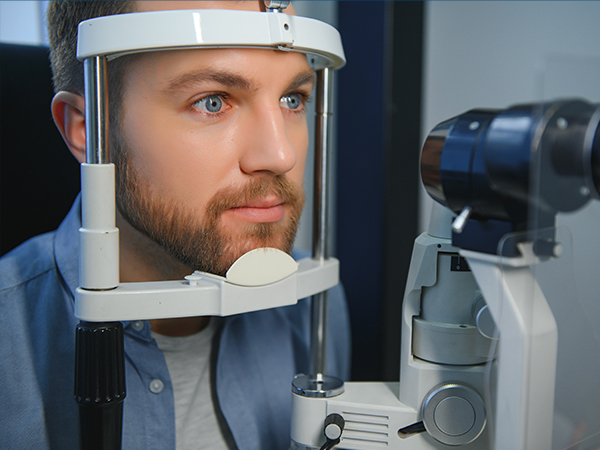
A NeuroVisual exam at our Spokane, WA practice is a specialized evaluation designed to measure how effectively the eyes align, focus, track, and work together. It goes beyond checking whether you can read an eye chart. We assess binocular function in greater detail so we can identify small misalignments that may be creating significant symptoms during everyday activities.
How is a BVD exam different from a routine eye exam?
A routine eye exam in Spokane, WA primarily evaluates visual clarity, prescription needs, and overall eye health, while a BVD evaluation examines how the two eyes work together. Subtle alignment problems can be difficult to detect during a standard examination. Our binocular vision dysfunction care includes more detailed measurements of eye teaming and coordination when BVD is suspected.
How are microprism lenses used for BVD care?
We use customized microprism lenses to help compensate for subtle eye misalignment. The prism redirects light so the visual system can combine images more comfortably, reducing the amount of effort required from the eyes and brain. Each prescription is carefully customized according to the patient's measurements, symptoms, and response to treatment.
What do microprism glasses look like for patients with BVD?
Microprism glasses prescribed for BVD at our Spokane, WA practice look much like ordinary prescription eyeglasses. The prism correction is incorporated into the lenses, so patients do not need unusual or noticeably different eyewear. What makes these glasses different is the highly precise correction designed to support more comfortable eye alignment.
Can BVD cause headaches or migraine-like symptoms?
BVD can contribute to recurring headaches and migraine-like symptoms for some patients in Spokane, WA because poorly aligned eyes may require constant extra effort to work together. Discomfort may become worse during reading, computer use, driving, or other visually demanding activities. Our BVD evaluation helps determine whether binocular misalignment is a contributing factor rather than assuming every headache has the same cause.
Can BVD cause dizziness, motion sickness, or driving discomfort?
Yes, binocular vision dysfunction can contribute to dizziness, motion sensitivity, nausea, and driving discomfort in Spokane, WA patients. When visual information from the eyes does not coordinate comfortably, movement and busy environments may feel disorienting. Patients may notice symptoms on highways, during car rides, in large stores, or in visually crowded spaces.
Can children and teens receive BVD care?
Children and teenagers can experience binocular vision dysfunction and may benefit from specialized evaluation when symptoms are present. BVD may affect reading comfort, concentration, coordination, schoolwork, sports, or tolerance for car rides. We evaluate each patient's visual system carefully to determine whether binocular coordination problems are contributing to these difficulties.
Can a concussion or head injury contribute to BVD symptoms?
A concussion or other head injury can sometimes affect eye alignment and coordination, leading to BVD-related symptoms. Headaches, dizziness, light sensitivity, reading difficulties, balance problems, and visual fatigue may appear or worsen after an injury. A specialized binocular vision evaluation can help determine whether visual misalignment is part of the ongoing problem.
How long does it take to adjust to microprism lenses for BVD?
Adjustment to microprism lenses varies among patients because every binocular vision dysfunction prescription is individualized. Some patients notice changes in visual comfort relatively quickly, while others require more time for their visual system to adapt. Follow-up evaluations are important because the prescription may need to be fine-tuned as the eyes and visual system relax.
Why choose Eyes For Life for binocular vision dysfunction care in Spokane, WA?
Eyes For Life provides specialized binocular vision dysfunction care in Spokane, WA with an emphasis on detailed NeuroVisual evaluation, precise measurements, and personalized treatment. Our team understands that BVD symptoms can affect far more than eyesight, including reading, driving, balance, comfort, and daily performance. We take the time to identify the visual factors behind your symptoms and develop a treatment plan that addresses your individual needs.
If headaches, dizziness, eye strain, motion sensitivity, or unexplained visual discomfort are interfering with daily life, contact Eyes For Life in Spokane, WA to learn more about binocular vision dysfunction care. Call (509) 448-7300 to schedule an evaluation and take the next step toward more comfortable vision.

Contact Info
Office Address: 412 E. 30th Ave
Spokane, WA 99203
Spokane, WA 99203
Call Or Text(509) 448-7300
Office Hours
- Monday 8:10am - 5:30pm
- Tuesday 8:10am - 6:00pm
- Wednesday 9:30am - 6:00pm
- Thursday 8:10am - 6:00pm
- Friday 8:10am - 5:00pm
- Saturday Closed
- Sunday Closed
© 2026 Eyes For Life . All rights Reserved. Accessibility Statement - Privacy Policy - Sitemap
Powered by:
