

FAQ: Dry Eye Management in Spokane, WA
At Eyes For Life in Spokane, WA, we provide comprehensive dry eye management to help patients find relief from persistent irritation, burning, redness, and fluctuating vision. Our personalized approach includes advanced diagnostic testing and targeted treatments. Below are frequently asked questions on dry eye management, symptoms, and treatment options.
What are the most common symptoms of dry eye disease?
Common symptoms include burning, redness, itching, gritty sensations, excessive watering, and blurry or fluctuating vision. Some patients also experience light sensitivity or discomfort when wearing contact lenses. At our Spokane practice, we identify the underlying causes of these symptoms and recommend targeted treatments to improve eye comfort and tear film stability.
What causes chronic dry eyes?
Chronic dry eye can develop from meibomian gland dysfunction, insufficient tear production, eyelid inflammation, certain medications, or hormonal changes. Spokane's seasonal weather, indoor heating, and prolonged screen use can also contribute to symptoms. We evaluate these factors to determine the most effective dry eye treatment approach for each patient.
Why do my eyes water excessively if I have dry eye disease?
Excessive watering can actually be a symptom of dry eye disease. When the tear film becomes unstable, the eyes may produce extra watery tears in response to irritation. However, these tears often lack the necessary oil balance to maintain moisture. Our Spokane eye doctors assess tear quality and gland function to identify the cause.
How do you diagnose dry eye disease?
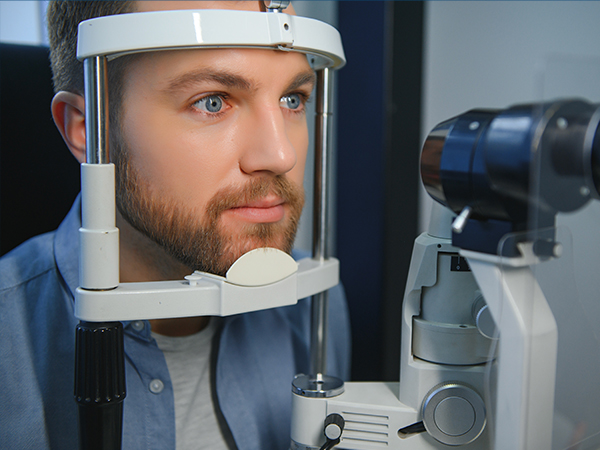
We use comprehensive dry eye evaluations to assess tear film quality, eyelid health, and meibomian gland function. Diagnostic testing may include tear measurements, corneal assessments, and imaging of the oil-producing glands. These findings help our Spokane team develop a treatment plan that addresses the underlying condition rather than temporarily masking symptoms.
What is meibomian gland dysfunction, and how is it treated?
Meibomian gland dysfunction occurs when the oil-producing glands along the eyelids become blocked or produce inadequate oil. This causes tears to evaporate too quickly, contributing to dry eye symptoms. At Eyes For Life in Spokane, we offer treatments such as LipiFlow, eyelid hygiene, and OptiLight IPL when appropriate to improve gland function and tear stability.
How does LipiFlow treatment help relieve dry eyes?
LipiFlow is an advanced treatment that uses controlled heat and gentle pulsation to help clear blocked meibomian glands. By improving oil flow, it supports a more stable tear film and reduces excessive evaporation. Our Spokane practice offers LipiFlow for patients with meibomian gland dysfunction, with treatment recommendations based on gland health and symptom severity.
What is OptiLight IPL treatment for dry eye disease?
OptiLight IPL uses controlled pulses of light applied to the skin below the eyes to help manage inflammation associated with meibomian gland dysfunction. This non-invasive treatment can improve dry eye symptoms in appropriately selected patients. At Eyes For Life in Spokane, we evaluate your eye health and treatment eligibility before recommending OptiLight IPL.
Is OptiLight IPL or LipiFlow better for dry eye treatment?
Both treatments address different aspects of evaporative dry eye. LipiFlow focuses on clearing blocked oil glands, while OptiLight IPL targets inflammation associated with meibomian gland dysfunction. Some patients benefit from combining these approaches. We assess your tear film, eyelid condition, and gland function to recommend the most appropriate treatment strategy.
Do you offer prescription eye drops for chronic dry eye in Spokane?
Yes, we offer prescription dry eye medications when clinically appropriate, including options such as Xiidra and Restasis. These treatments help address inflammation and support tear production in certain patients. Our Spokane eye doctors determine whether prescription medications, lubricating drops, or additional therapies will provide the most effective symptom management.
Can punctal plugs or LACRIFILL help with dry eyes?
Punctal plugs and LACRIFILL help retain natural tears by reducing drainage through the tear ducts. Punctal plugs use small inserts, while LACRIFILL uses a biodegradable gel to temporarily block tear drainage. At our Spokane practice, we evaluate tear production and ocular surface health to determine whether these treatments are appropriate.
Can blepharitis contribute to dry eye symptoms?
Yes, blepharitis causes inflammation along the eyelid margins and can interfere with healthy tear production and oil gland function. Symptoms may include crusting, redness, burning, and irritation. Our dry eye management services in Spokane include evaluating eyelid inflammation and recommending appropriate eyelid hygiene and other treatments to improve comfort.
Can contact lens wearers receive dry eye treatment?
Absolutely. Contact lens wearers frequently experience discomfort when their tear film becomes unstable. At Eyes For Life in Spokane, we evaluate tear quality, lens tolerance, and ocular surface health to identify contributing factors. Treatment may include lubricating drops, gland therapies, contact lens adjustments, or specialty scleral lenses for suitable patients.
Can prolonged computer use make dry eye symptoms worse?
Yes, extended screen time often reduces blinking frequency and can increase tear evaporation, contributing to dryness and irritation. We help patients manage digital eye strain and related dry eye symptoms through personalized treatment, blinking strategies, screen breaks, and appropriate tear film support.
Is dry eye disease curable, or will I need ongoing treatment?
Dry eye disease is often a chronic condition, but effective treatment can significantly improve symptoms and tear film health. Some patients benefit from periodic in-office treatments, while others require ongoing home care or prescription medications. At Eyes For Life in Spokane, we monitor your progress and adjust your management plan to support lasting comfort.
Why choose Eyes For Life for dry eye management in Spokane, WA?
At Eyes For Life, we take a comprehensive approach to diagnosing and managing dry eye disease. Our practice combines advanced diagnostic technology with personalized treatment options, including OptiLight IPL, LipiFlow, prescription eye drops, and tear retention therapies. We focus on identifying the underlying causes of discomfort and providing targeted care that supports healthier, more comfortable eyes.
If you're experiencing persistent dryness, burning, irritation, or fluctuating vision, our team at Eyes For Life in Spokane, WA, is here to help. Call (509) 448-7300 to schedule a comprehensive dry eye evaluation and explore treatment options tailored to your needs.

Contact Info
Office Address: 412 E. 30th Ave
Spokane, WA 99203
Spokane, WA 99203
Call Or Text(509) 448-7300
Office Hours
- Monday 8:10am - 5:30pm
- Tuesday 8:10am - 6:00pm
- Wednesday 9:30am - 6:00pm
- Thursday 8:10am - 6:00pm
- Friday 8:10am - 5:00pm
- Saturday Closed
- Sunday Closed
© 2026 Eyes For Life . All rights Reserved. Accessibility Statement - Privacy Policy - Sitemap
Powered by:
