

Blog list
Eyes For Life Blog
Learn more about optometrist care in our blog!
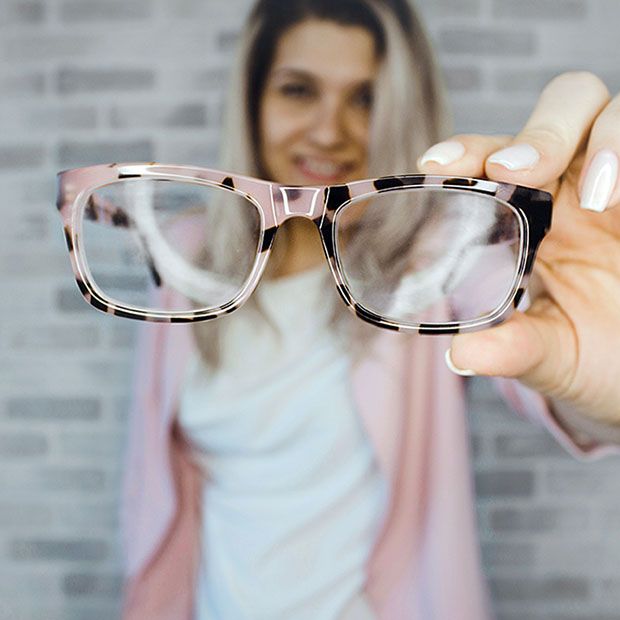
If you wear glasses or contacts, you probably remember what it was like the first time you put them on and could suddenly see individual blades of grass and leaves on trees.
Glasses and contact lenses are small things that make a huge difference. If you wear glasses or contacts, you probably remember what it was like the first time you put them on and could suddenly see individual blades of grass and leaves on trees. The ability to see clearly is critical for so many...
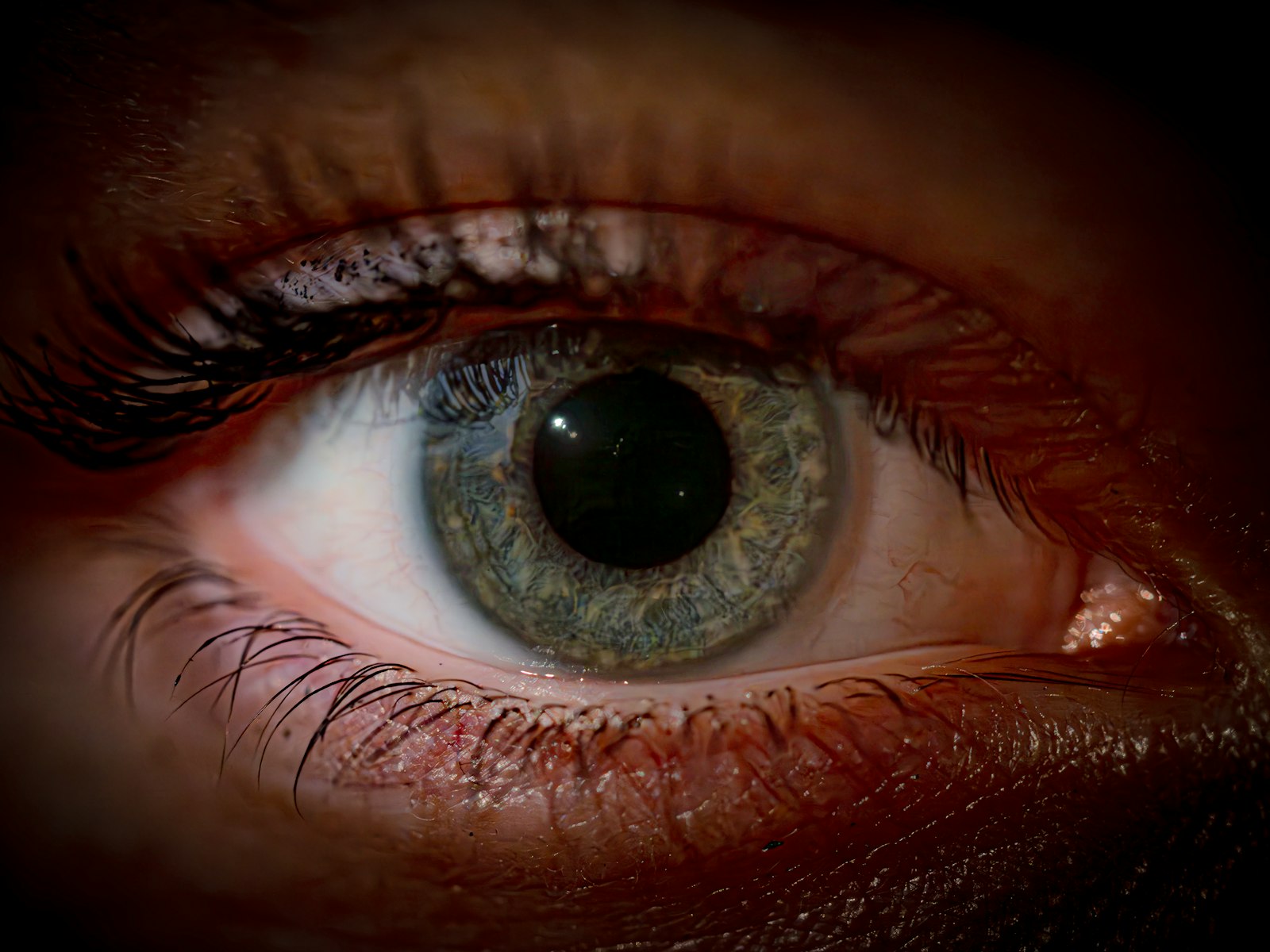
Contrary to popular belief, color blindness does not mean seeing in black and white. Usually. The vast majority of colorblind people can still see some colors. Let’s take a look at the three basic categories of color blindness and how they can impact a person’s daily life. Red-Green Color Bli...

A striking pair of eyes can make a deep impression, and what could be more striking than a pair of eyes that don’t match? In scientific terms, that’s heterochromia, a phenomenon fairly common in cats and dogs but much rarer in humans...
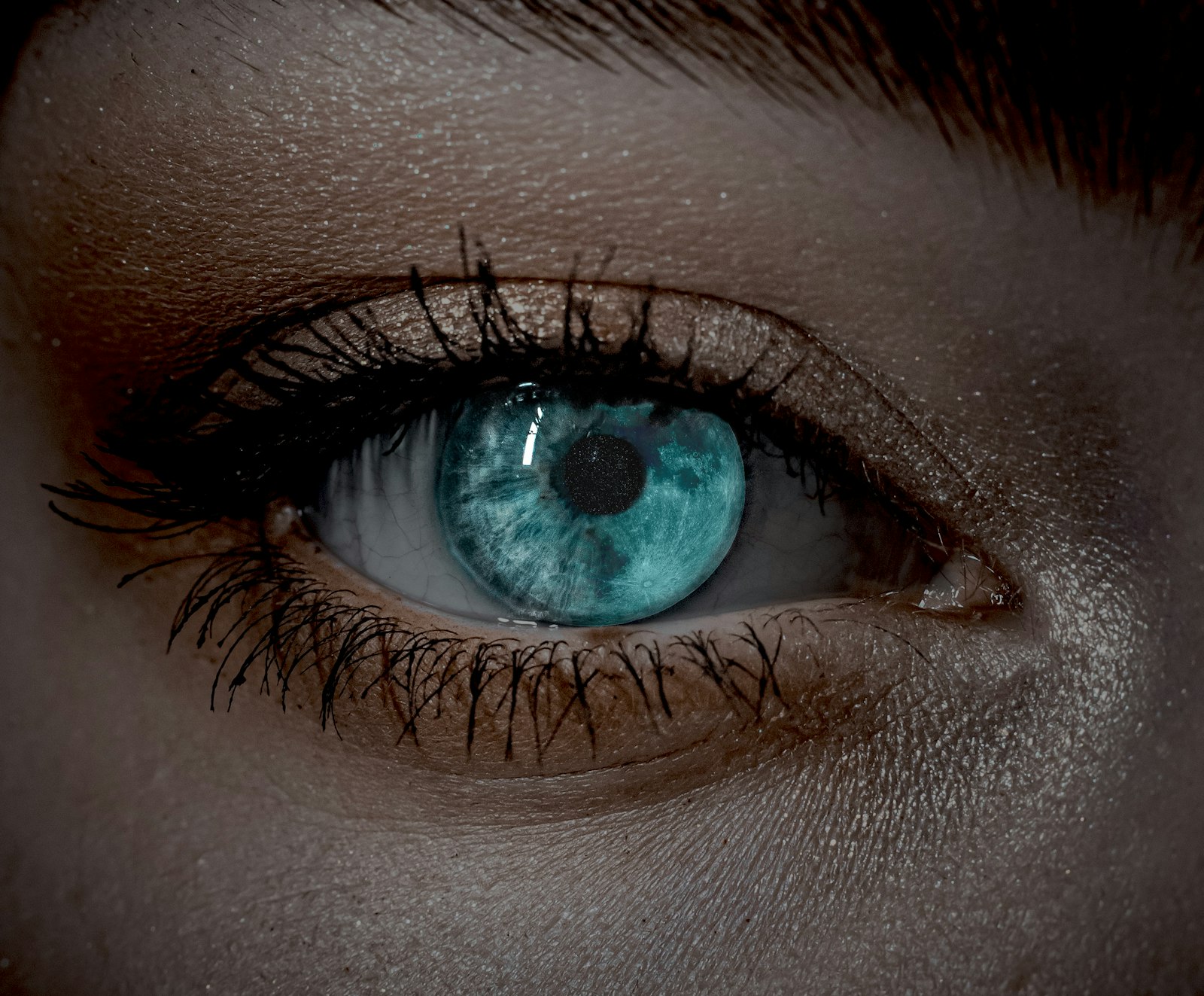
Most of us notice a person’s eye color almost immediately when we meet them. A striking pair of eyes can make a deep impression, and what could be more striking than a pair of eyes that don’t match? In scientific terms, that’s heterochromia, a phenomenon fairly common in cats and dogs but m...
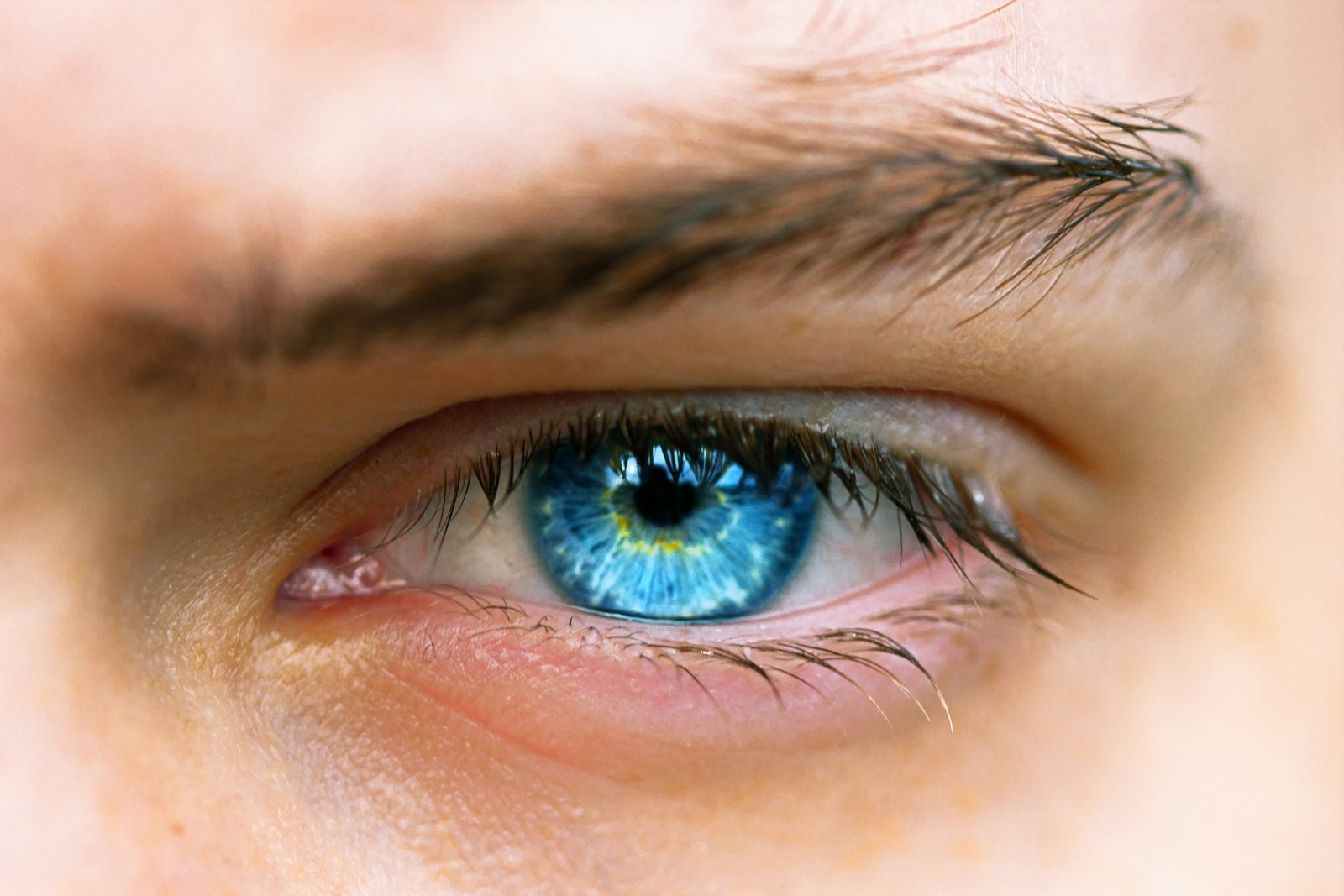
Do you spend a lot of time after the sun goes down looking at a bright screen? For as long as we’ve been using handheld devices to go online (and probably longer), many of us have had our eyes riveted to bright screens late into the evening. As optometrists, we can’t approve of this bedtime r...
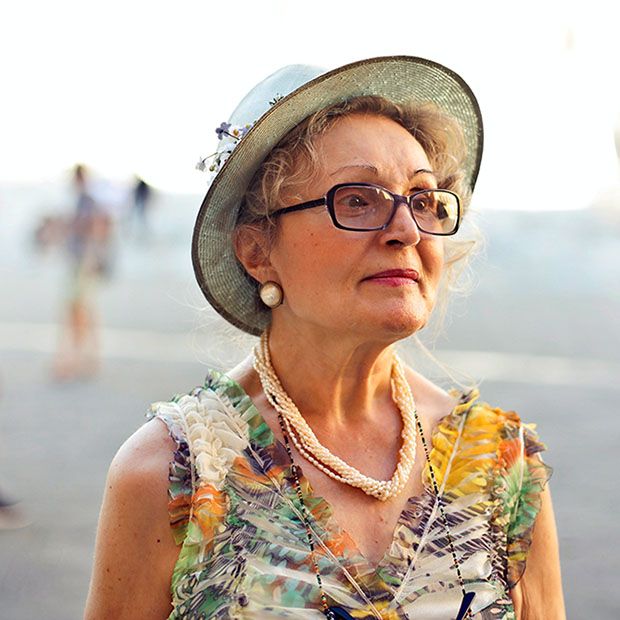
Age-related macular degeneration (AMD) is the slow loss of central vision due to the deterioration of the macula, the part of the retina with the highest concentration of photoreceptor cells and the part that gives us our detailed central vision...
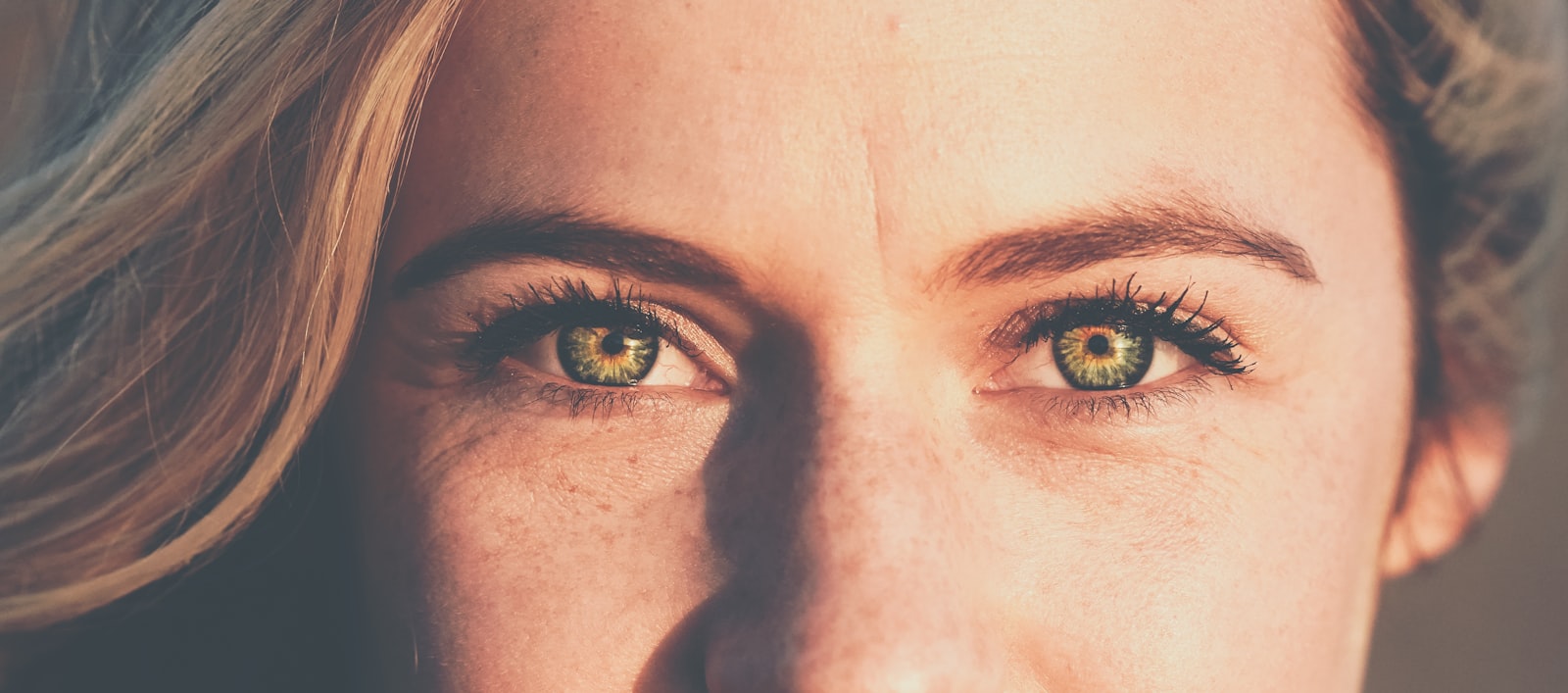
Age-related macular degeneration is a leading cause of permanent vision loss for people over the age of fifty. Age-related macular degeneration (AMD) is the slow loss of central vision due to the deterioration of the macula, the part of the retina with the highest concentration of photoreceptor c...
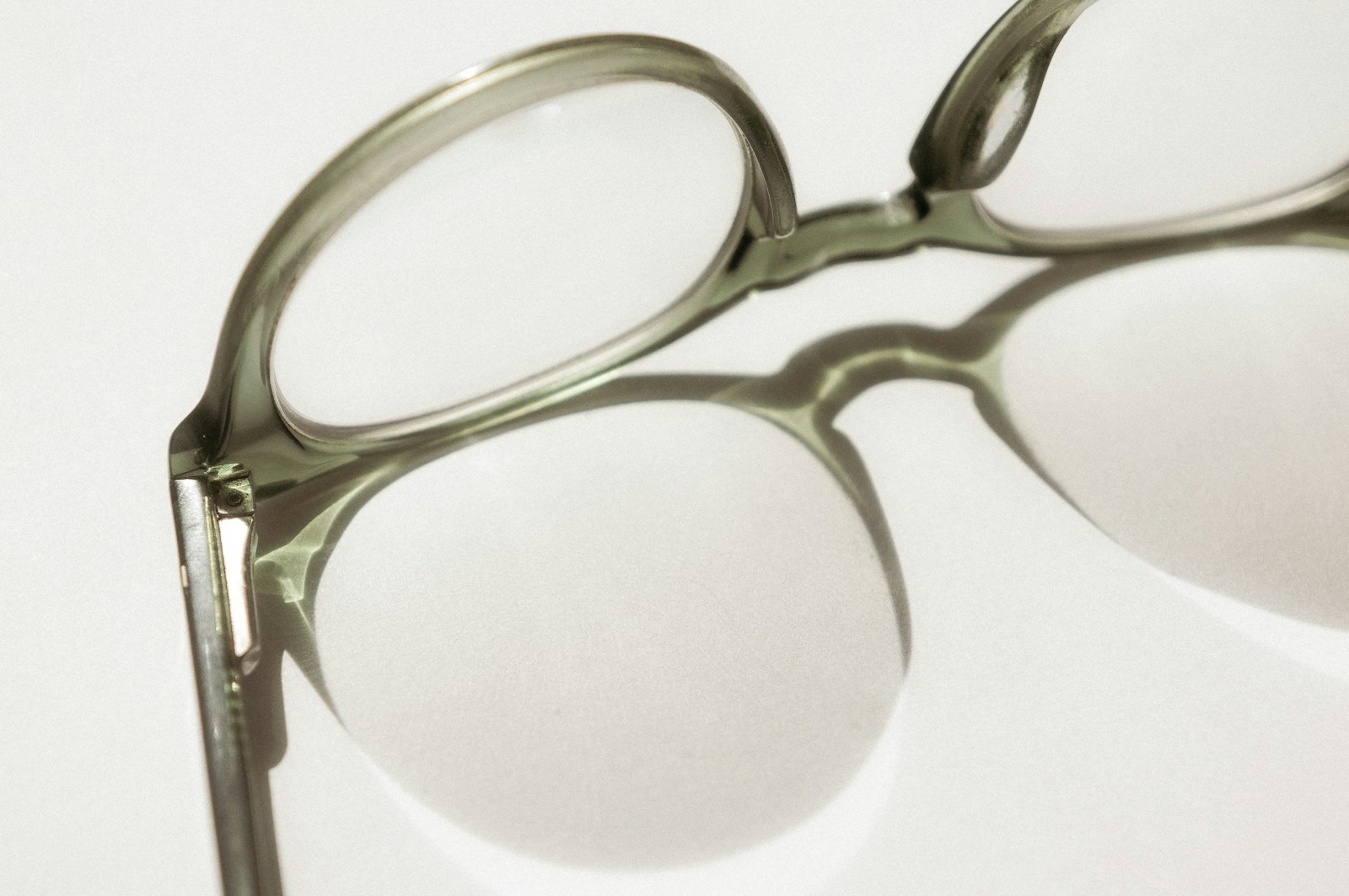
As we get older, the lenses in our eyes become less flexible. This is presbyopia, and it affects the majority of people older than 40. It’s why most people end up needing reading glasses even if they never needed glasses before. For those who already wear glasses or contacts, presbyopia makes t...

As many as one in six adults struggle with sight-threatening eye conditions and far more than that live with some level of vision loss as they get older. Age is a risk factor for many of the major causes of blindness...

Contact Info
Office Address: 412 E. 30th Ave
Spokane, WA 99203
Spokane, WA 99203
Call Or Text(509) 448-7300
Office Hours
- Monday 8:10am - 5:30pm
- Tuesday 8:10am - 6:00pm
- Wednesday 9:30am - 6:00pm
- Thursday 8:10am - 6:00pm
- Friday 8:10am - 5:00pm
- Saturday Closed
- Sunday Closed
© 2026 Eyes For Life . All rights Reserved. Accessibility Statement - Privacy Policy - Sitemap
Powered by:
