
Blog list
Eyes For Life Blog
Learn more about optometrist care in our blog!
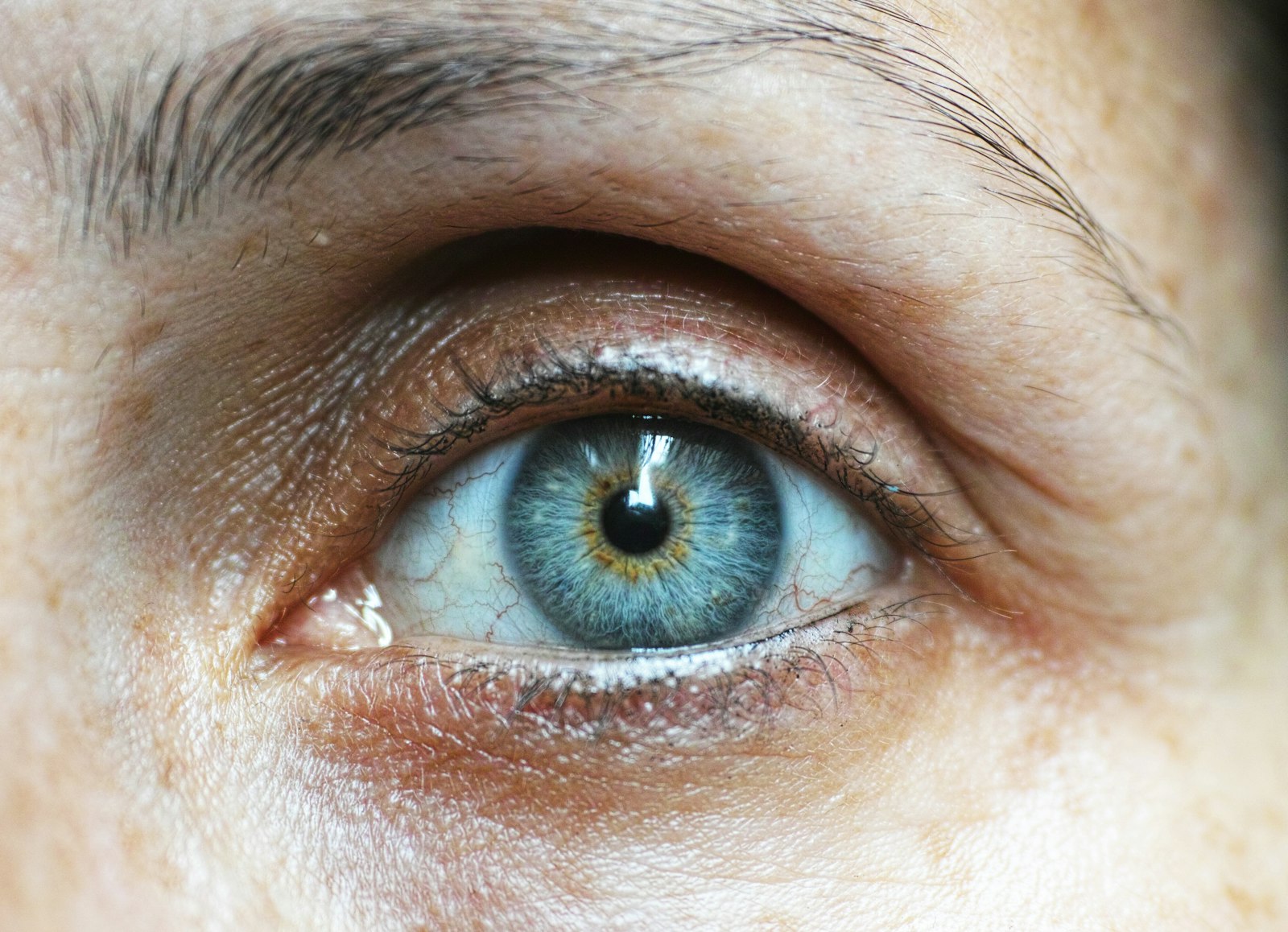
Many people are unaware of the health risks of tanning beds, especially to the eyes. While many seek the glowing appearance that comes from a tan, there are hidden risks, whether you prefer tanning beds or sunbathing. Understanding these risks can help you make informed decisions about your tanni...

While they can be caused by various factors like stress, diet, or illness, many people may not realize that headaches can also be linked to eye problems...
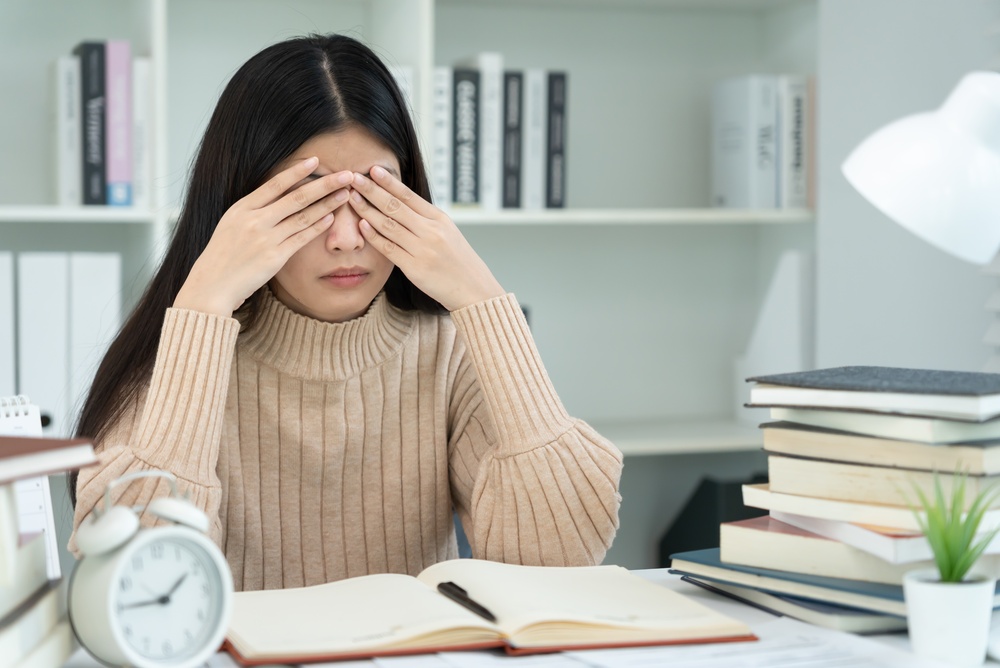
Headaches are a common ailment that most people experience at some point in their lives. While they can be caused by various factors like stress, diet, or illness, many people may not realize that headaches can also be linked to eye problems. Understanding this connection is crucial for those who...
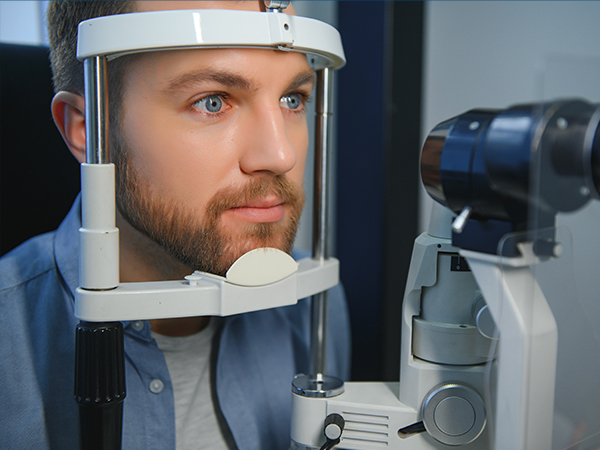
Maintaining optimal eye health starts with regular check-ups with the optometrist. Visiting your optometrist for an eye exam is crucial for maintaining not only your vision but also your overall health. For those who have never been, or who haven’t gone in a while, here’s what you can typical...

The transformation that occurs when you first put on glasses or contact lenses is nothing short of miraculous — suddenly, individual blades of grass and leaves on trees snap into clear focus...
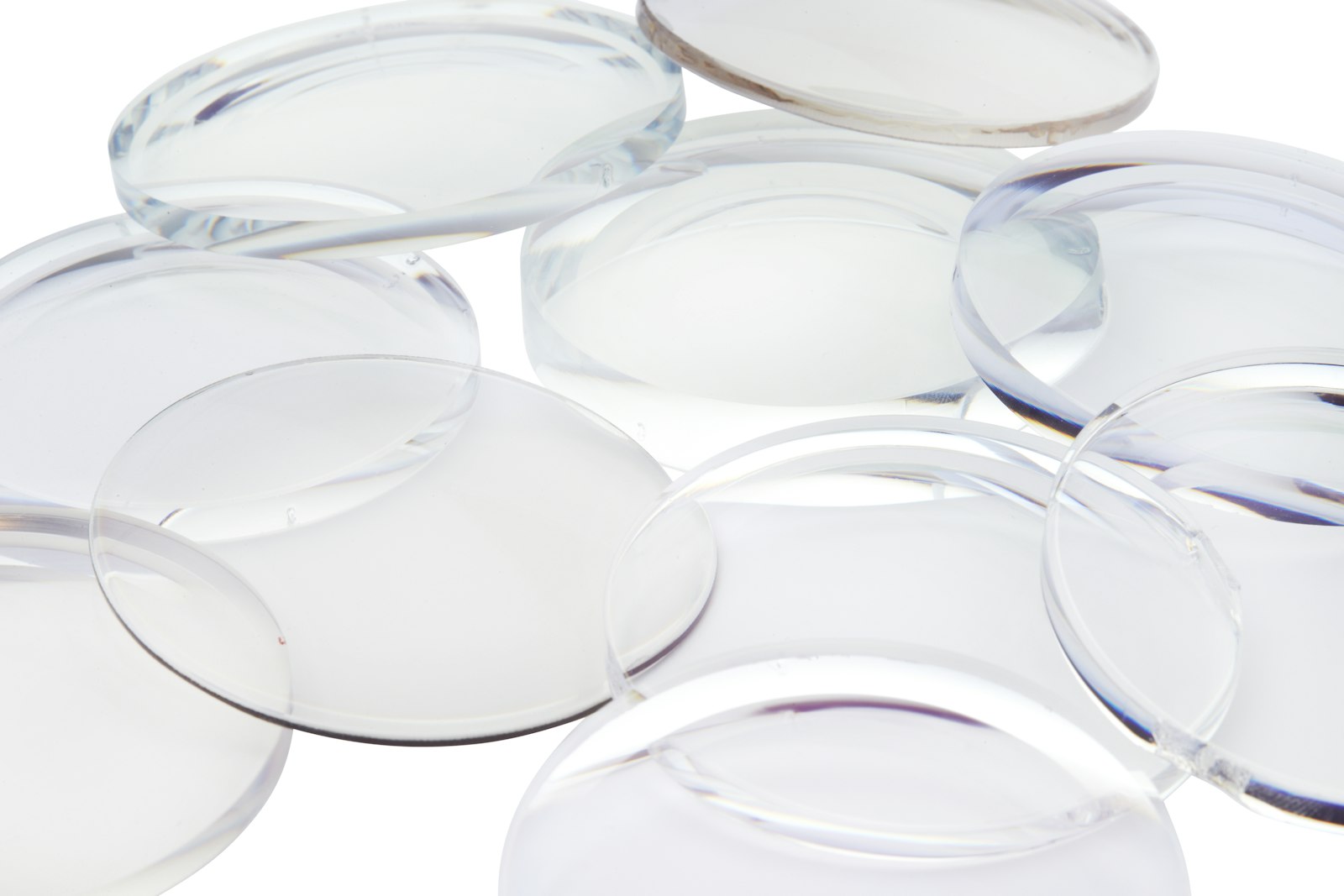
It's remarkable what a change a pair of thin contact lenses or pieces of glass can make. The transformation that occurs when you first put on glasses or contact lenses is nothing short of miraculous — suddenly, individual blades of grass and leaves on trees snap into clear focus. This clarity i...
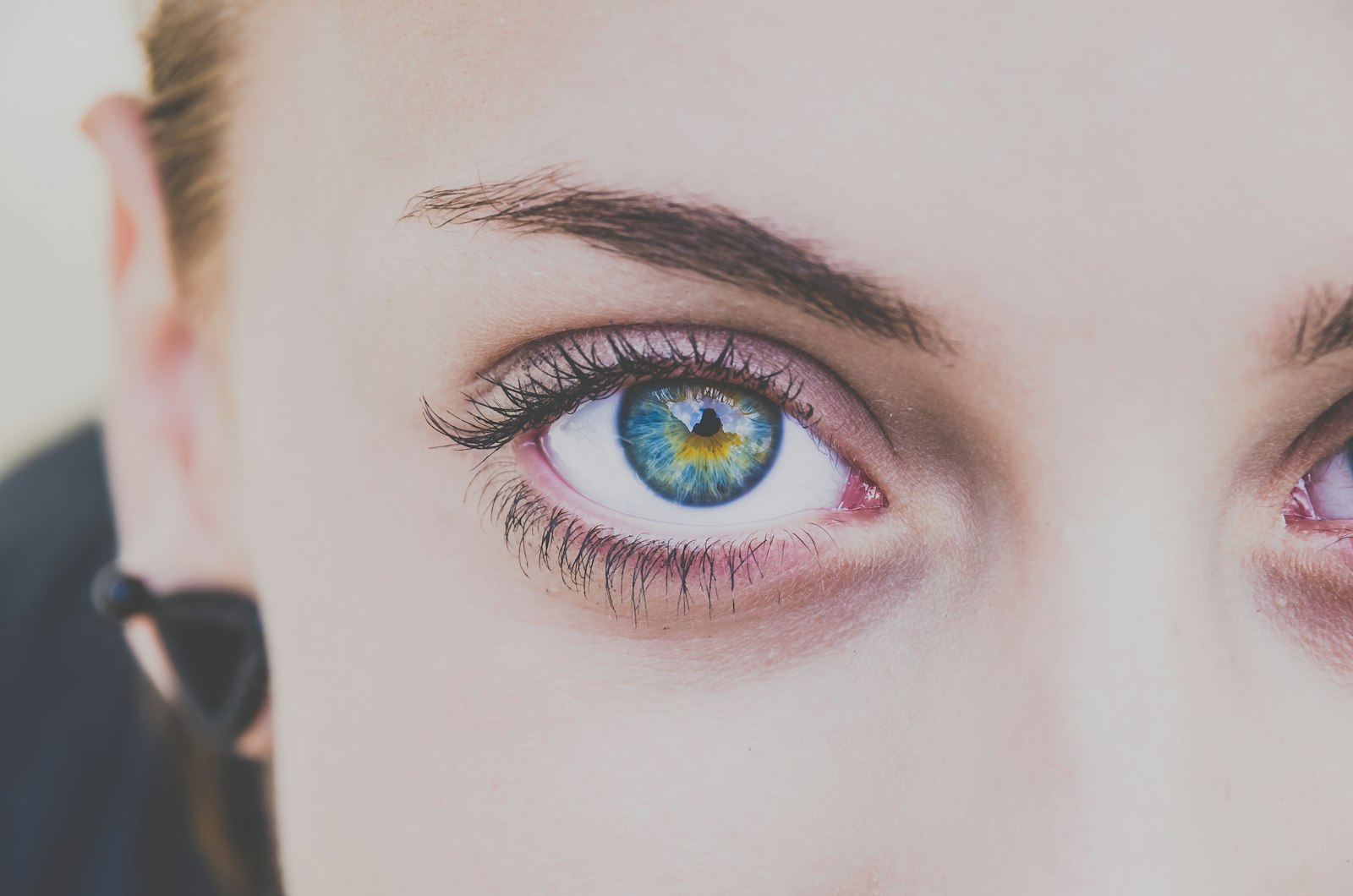
"Color blindness" often conjures images of seeing the world in shades of gray. However, this condition typically manifests not as a complete absence of color, but as an inability to perceive certain hues correctly. Let's explore the fascinating world of color vision deficiency, its causes, types,...

Eyes are often touted as the windows to the soul, captivating onlookers with their vast array of colors and expressions. Among these visual wonders is heterochromia, a rare...
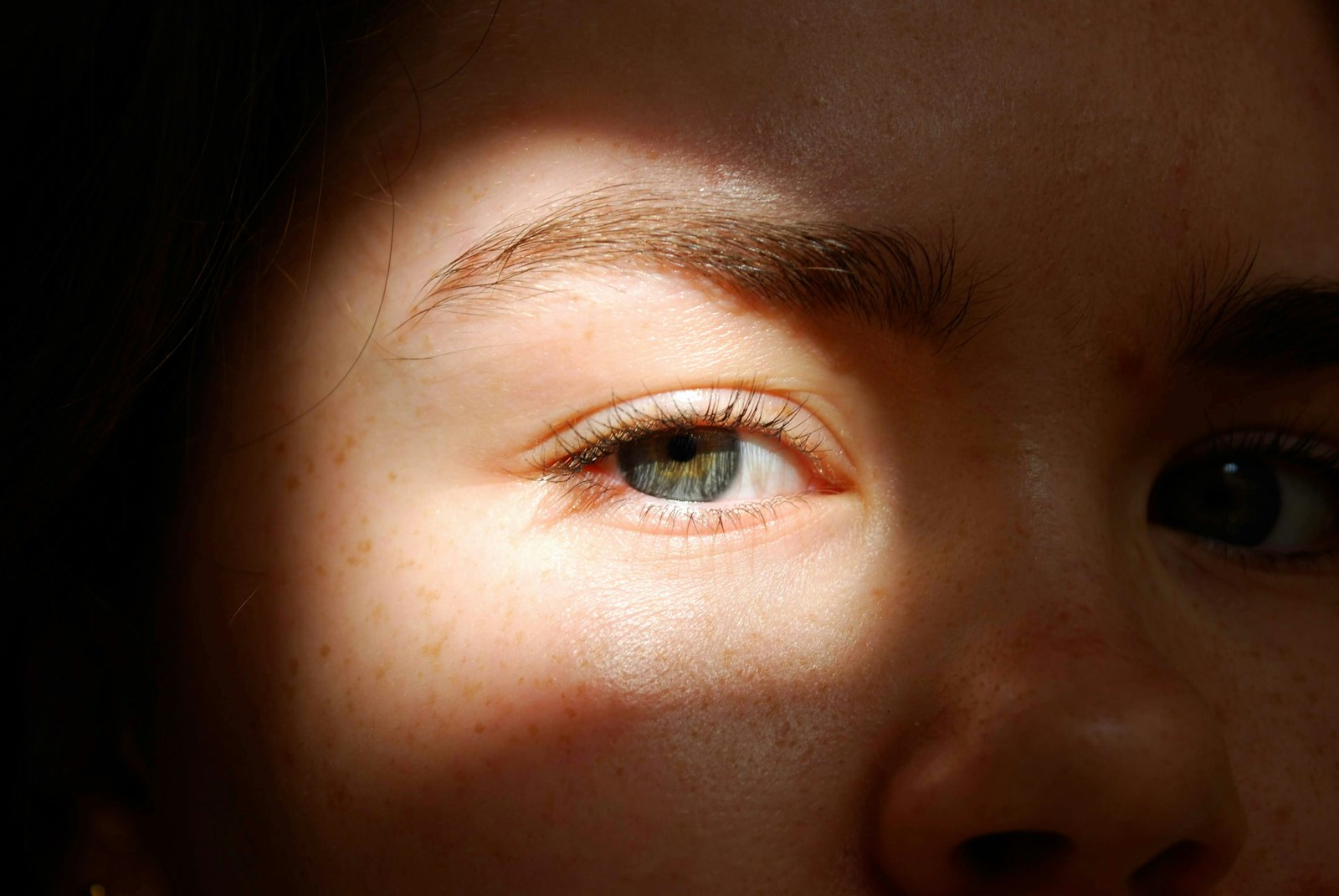
The way someone's eyes look can leave a big impression. Eyes are often touted as the windows to the soul, captivating onlookers with their vast array of colors and expressions. Among these visual wonders is heterochromia, a rare phenomenon that not only adds mystery but also a striking beauty to ...
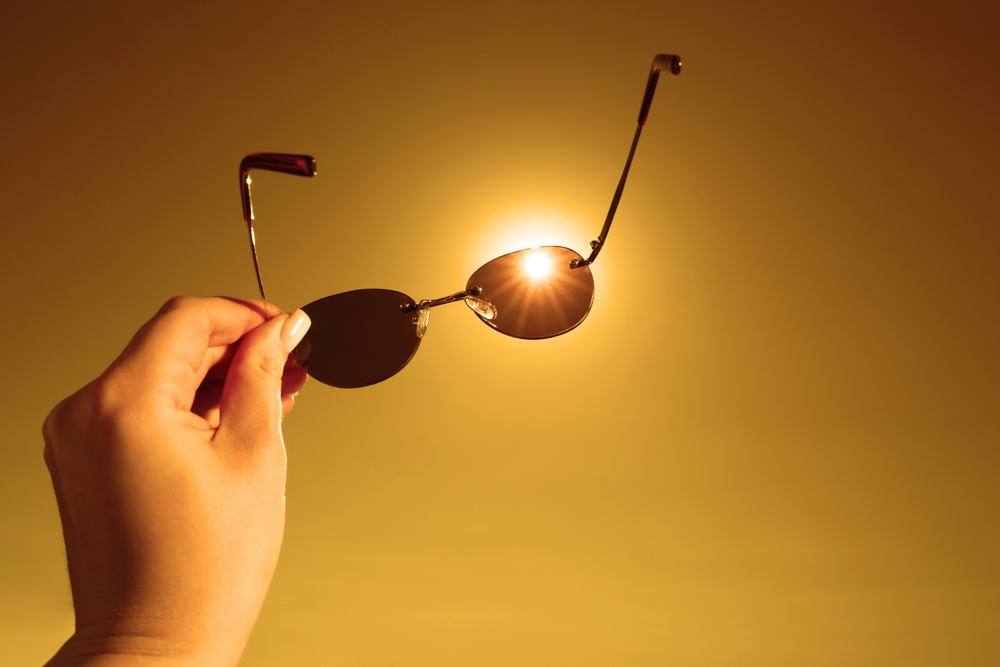
We hear a lot about the harm UV rays can do to our skin, but what about our eyes? Ultraviolet (UV) light, a type of radiation emitted by the sun, plays an essential role in our environment. However, it can also pose significant risks, particularly to our eyes. Understanding how UV light affects e...

Contact Info
Office Address: 412 E. 30th Ave
Spokane, WA 99203
Spokane, WA 99203
Call Or Text(509) 448-7300
Office Hours
- Monday 8:10am - 5:30pm
- Tuesday 8:10am - 6:00pm
- Wednesday 9:30am - 6:00pm
- Thursday 8:10am - 6:00pm
- Friday 8:10am - 5:00pm
- Saturday Closed
- Sunday Closed
© 2026 Eyes For Life . All rights Reserved. Accessibility Statement - Privacy Policy - Sitemap
Powered by:
